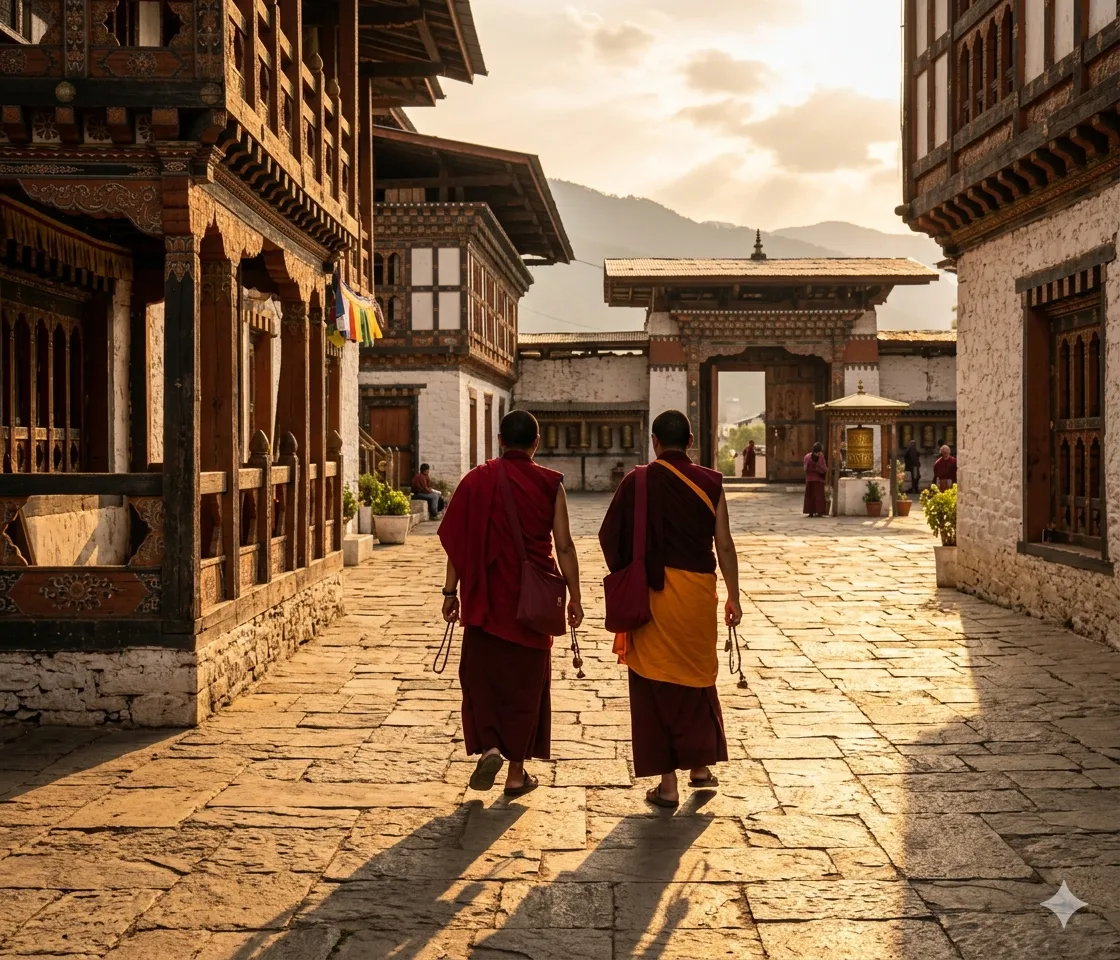
Bhutan has a season for every kind of traveler
The high passes, valleys, and monasteries change character completely across the year. Here is what each season actually looks like on the ground.


The honest answer: it depends on what you want. Spring festivals and rhododendron hillsides, autumn's crystal-clear views of the Himalayas, winter's quiet temples, or monsoon's impossible green. Here is a real, month-by-month guide — written by people who watch the seasons change from across the border.
If it's your first trip to Bhutan and you want it all — clear Himalayan views, comfortable weather, festivals, and the iconic postcard — come in late September through mid-November. If you want quieter trails, better lodge availability, and slightly warmer days, come in March or April. Every other month has its own case, and we make some of them below.
The high passes, valleys, and monasteries change character completely across the year. Here is what each season actually looks like on the ground.


Weather, crowds, festivals, and the one thing each month does best. Tap through to find yours.
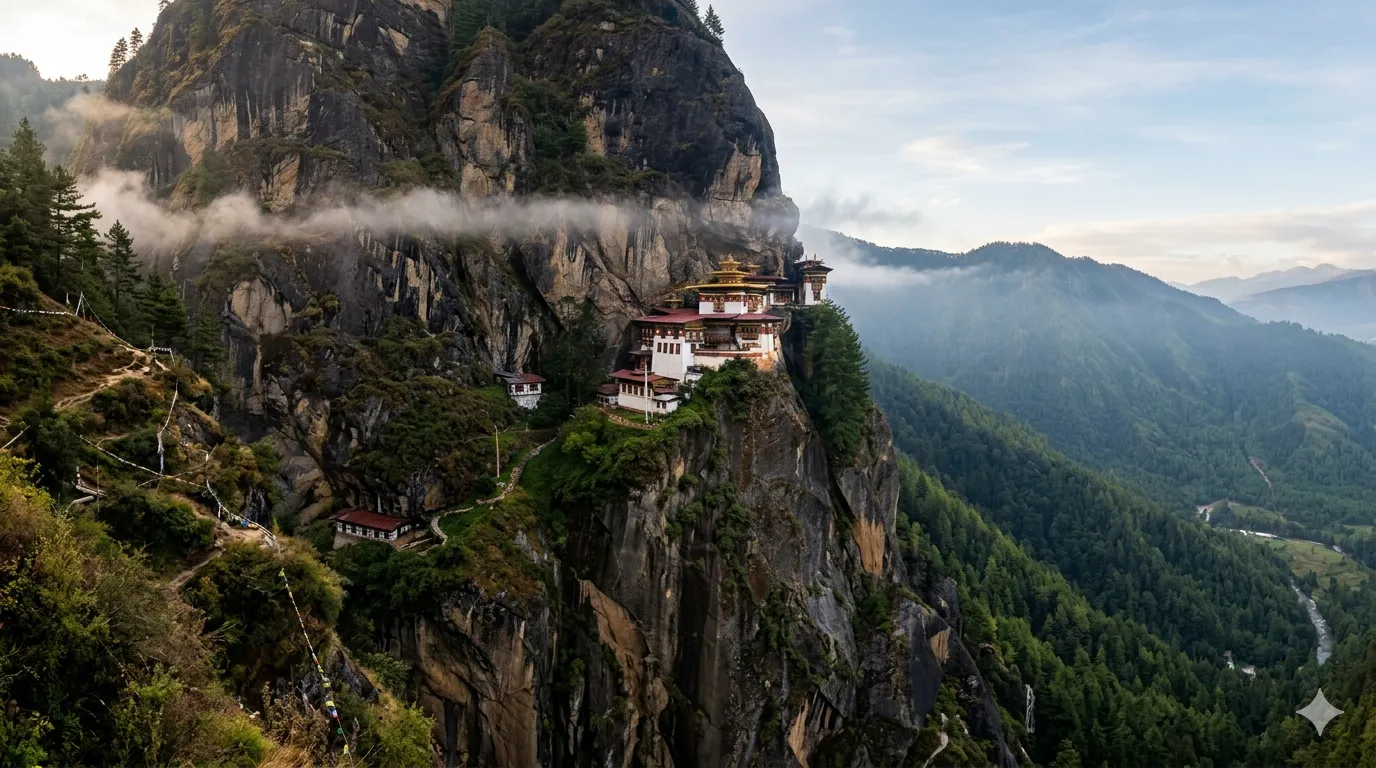
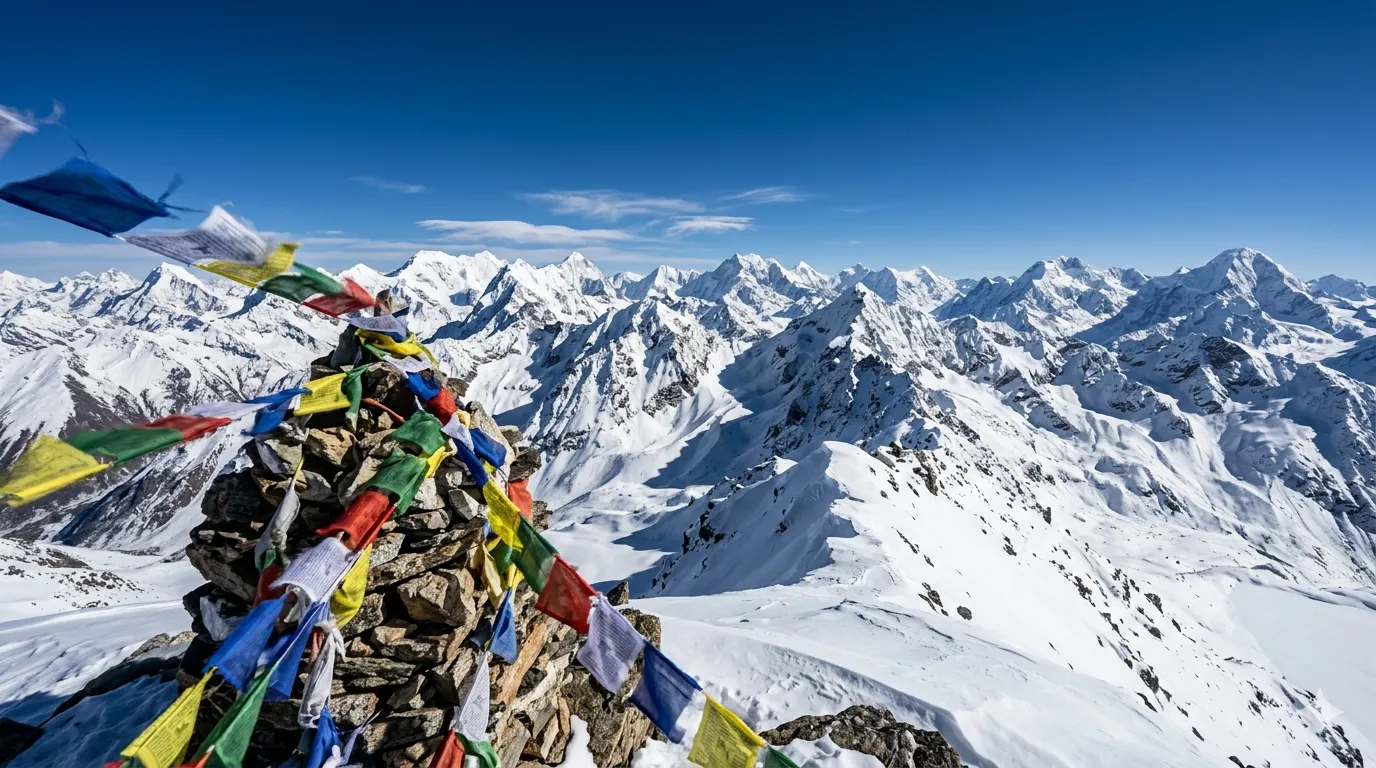
January in Bhutan is cold, dry, and almost empty. Paro and Thimphu sit under brilliant blue winter skies, the Himalayan backdrop sharper than any other month of the year. Mornings in Paro can drop to −2°C, but days climb to a crisp 11°C with sun. You will share temples and dzongs with monks and a handful of other travelers, which changes the experience entirely.
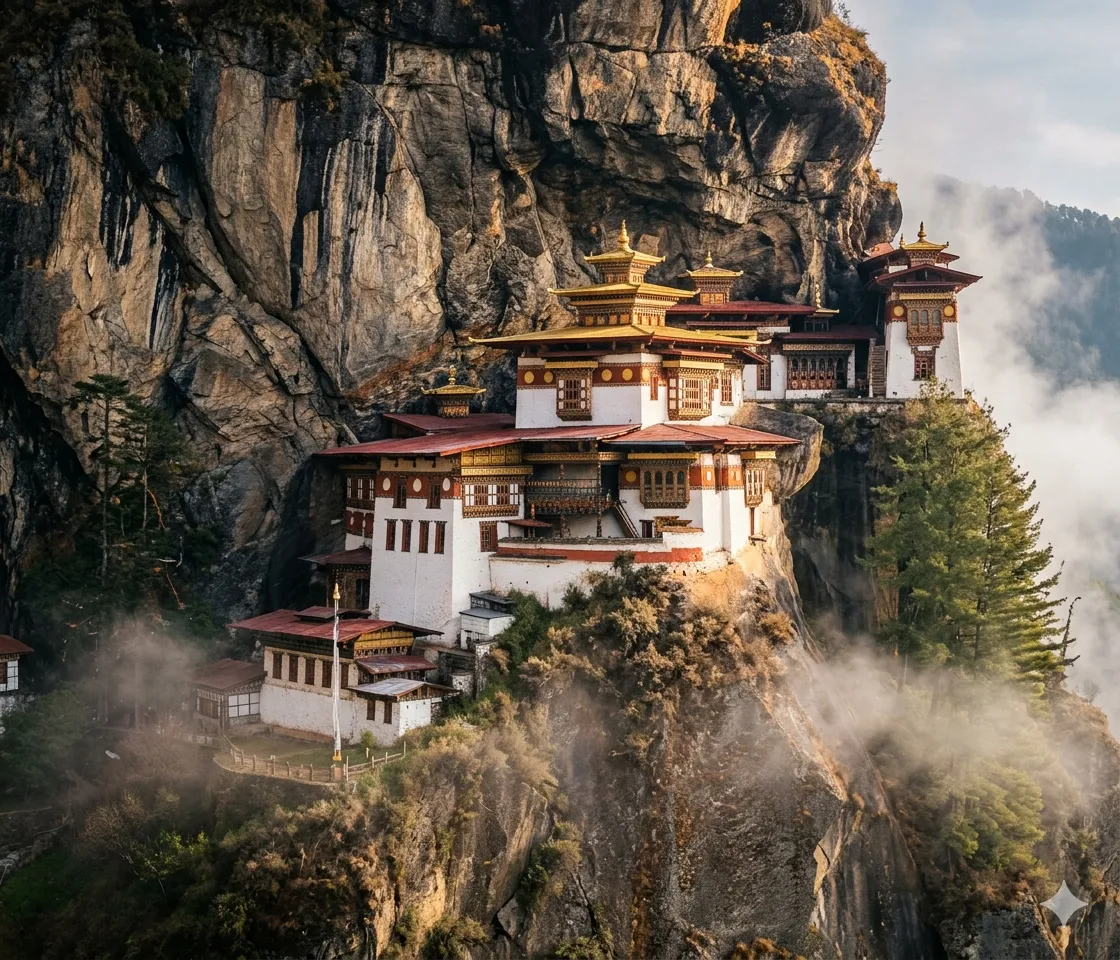
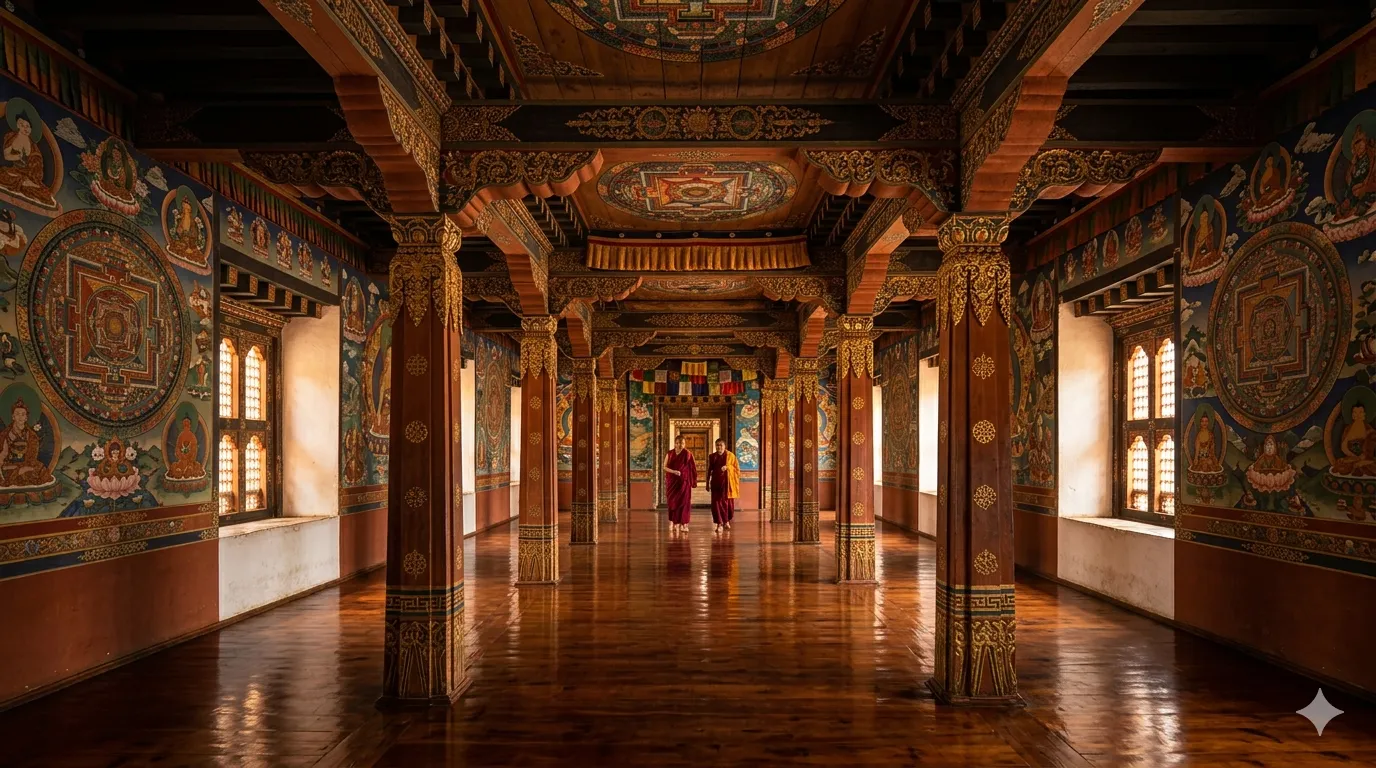
This is the month for contemplative trips — people who want to walk the Tiger's Nest trail without crowds, linger in prayer halls, and photograph valleys with freshly snow-dusted peaks behind them. High-altitude treks are closed, but lower walks and cultural routes (Paro–Thimphu–Punakha) run normally.
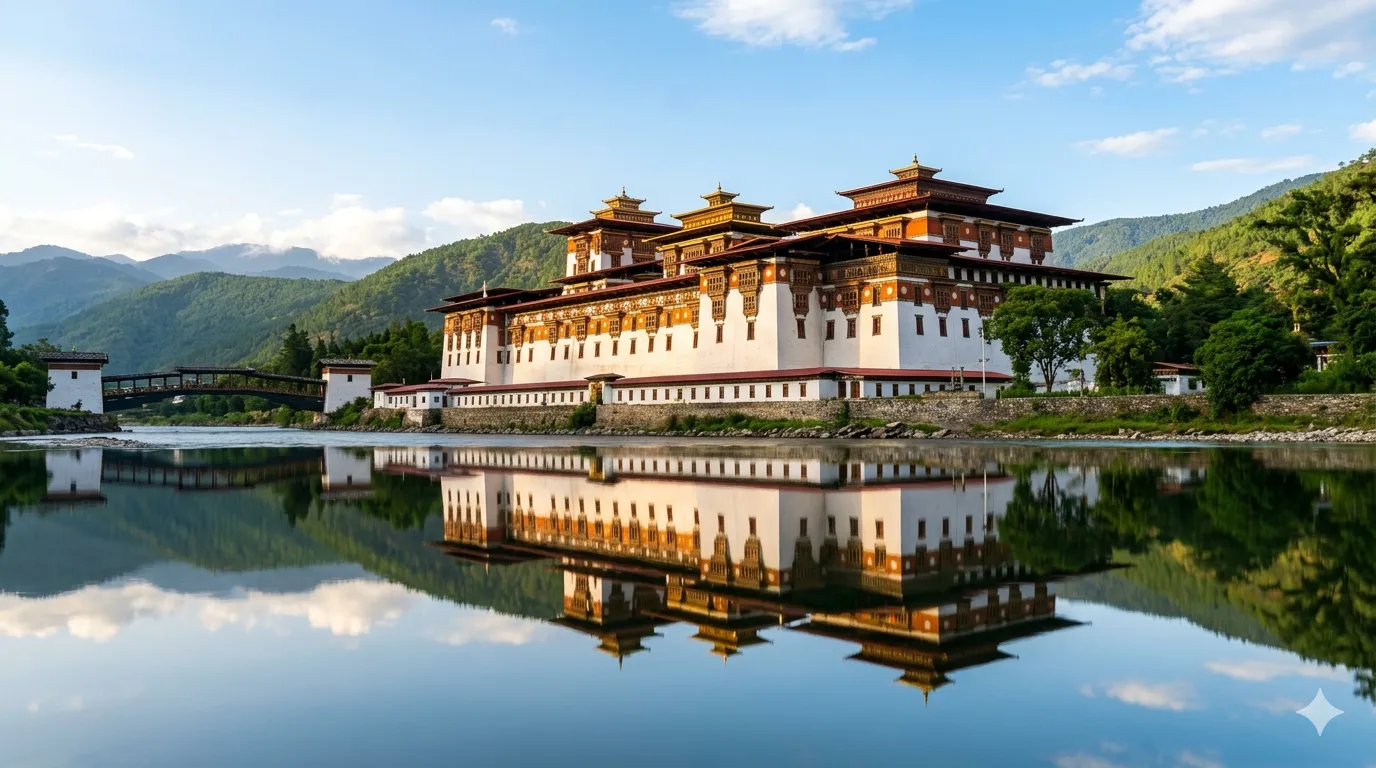
February warms up enough to feel pleasant in the sun while still staying wonderfully uncrowded. It is also the month of the Punakha Drubchen and Punakha Tshechu — back-to-back festivals at the spectacular Punakha Dzong, one of Bhutan's most photogenic fortresses, with far fewer visitors than the famous Paro and Thimphu festivals later in the year.
If you want a "festival trip" but hate crowds, February is the answer. The winter-dry air keeps mountain views sharp, and the warmer valleys (Punakha, Wangdue) are comfortable all day.
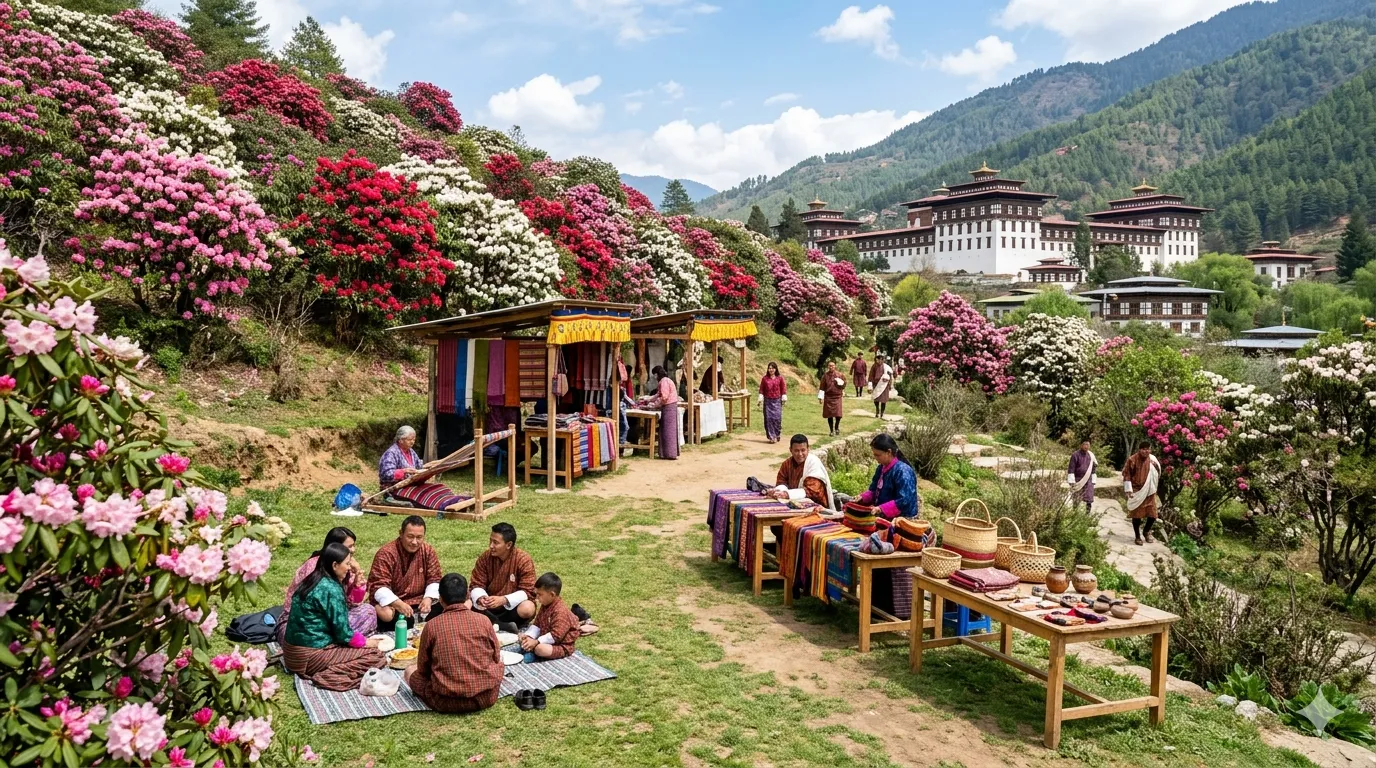
March is when spring arrives. Rhododendrons begin blooming across the mid-altitude hillsides, temperatures climb into the high teens, and the landscape shifts from winter brown to soft green. It is a popular month — not as crowded as April, but noticeably busier than February.
Tiger's Nest is comfortable. Druk Path and Jomolhari treks open. And by late March, the approach to Paro Tshechu begins, so if you time it right you can catch the pre-festival energy without the full festival-week crowd.
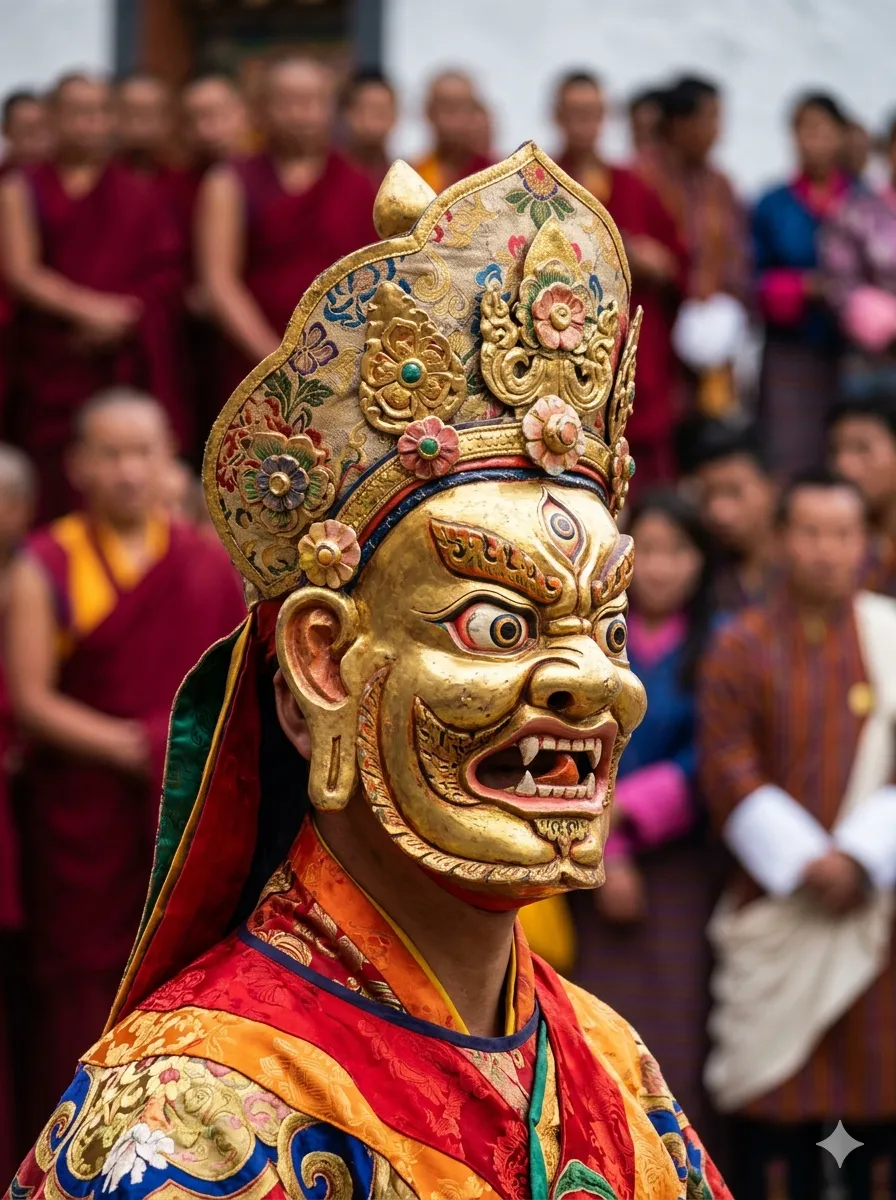
April is arguably the single most popular month for first-time visitors, and for good reason. The weather is perfect — days in the high teens to low twenties, long daylight, low humidity. The valleys are green. The Paro Tshechu (March 29 – April 2, 2026) is the most famous festival in the country, culminating in the pre-dawn unveiling of the giant Guru Thongdrel tapestry on its final morning. It is breathtaking, and it is busy.
Hotels, guides, and Druk Air flights fill up months in advance during festival week. If you want April, you need to commit early — ideally by January for festival dates, by February for non-festival weeks.
May is the end of spring's long stretch of clear weather, but crowds thin out after mid-month as the Paro festival hangover fades. Temperatures are at their warmest before the monsoon — days up to 24°C in the valleys — and high-altitude trek routes like Jomolhari are in their best condition.
Late May brings the first light afternoon thunderstorms as the monsoon approaches from the Bay of Bengal. They usually clear by morning and rarely disrupt travel, but they do soften the air and turn the light golden at the end of the day.
June marks the start of the monsoon. Rain arrives most afternoons and evenings, but Bhutan's monsoon is far less severe than India's — Thimphu sees around 200 mm across the whole month, spread across many short bursts. Mornings are often clear. The country turns an intense, saturated green that photographs beautifully.
Hotels drop their rates. You will have monasteries mostly to yourself. The only real limitations are that high-altitude treks close due to slippery trails, and some mountain passes can be briefly disrupted by landslides after heavy rain.
July is the wettest month of the year, particularly in Thimphu and on the southern slopes. If you don't mind rain, it has its rewards — waterfalls everywhere, paddy fields at their greenest, and hotels offering their best rates of the year. The capital is comfortable at around 16–19°C. Mountain views are often obscured.
This is a month for travelers who specifically want solitude, or who are combining Bhutan with a longer regional trip and can only come now. It is not a good month for first-timers who want the classic Bhutan experience.
August is the second wettest month but showers shorten through the month. By late August, the monsoon begins to recede and mornings start clearing reliably. This is when committed travelers start arriving ahead of the September festival rush — you can find good rates, reasonable weather, and near-empty trails.
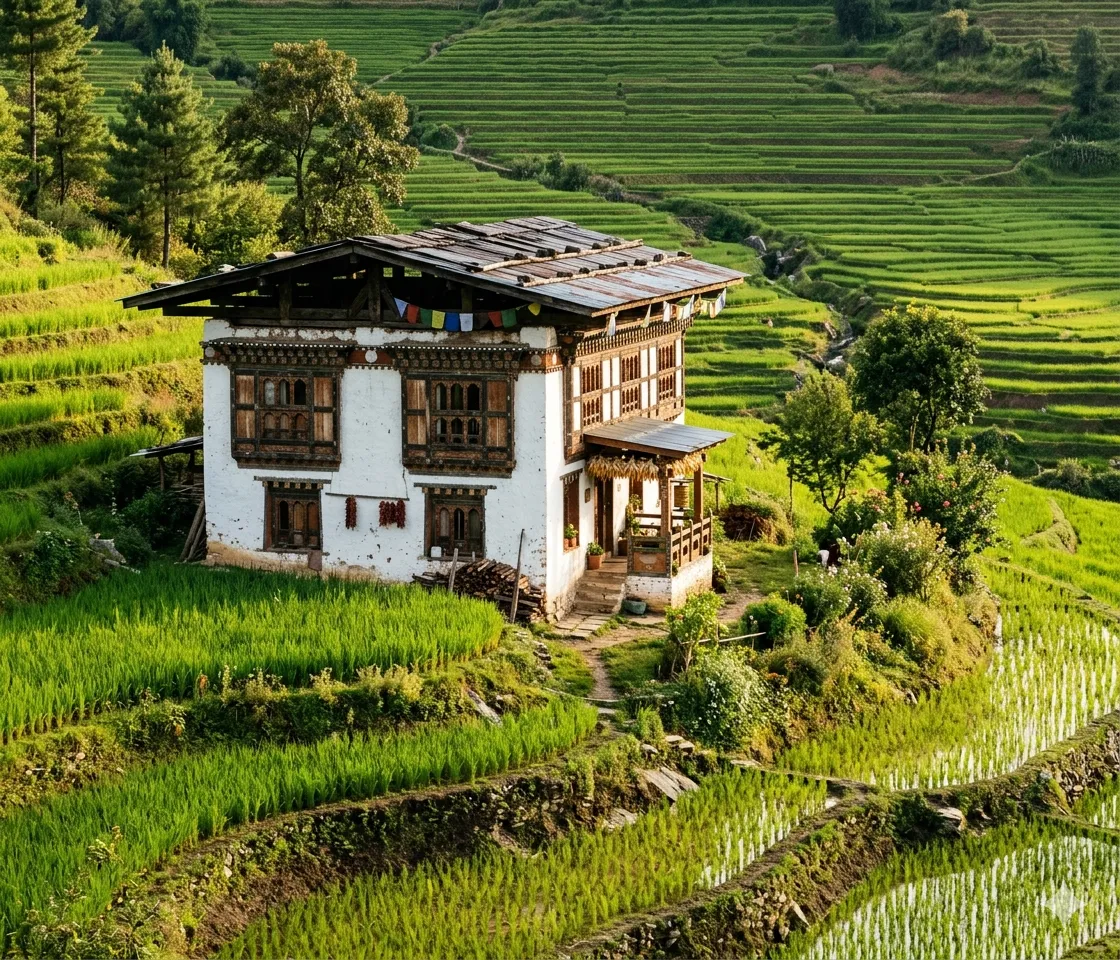
Valleys are at their most agriculturally vivid. Rice is tall, fruit is ripening, and the alpine meadows at higher elevations are in full bloom — a window trekkers who know Bhutan deeply often target.
By mid-September the monsoon is gone, the air is washed clean, and the Himalayan wall reappears in sharp focus. This is when many returning travelers insist is Bhutan's best month — less humid than spring, greener than October, and crowned by the Thimphu Tshechu (September 21–23, 2026) at Tashichho Dzong.
Bookings tighten rapidly from early September onward. Festival-week dates are the hardest to secure; if that is your plan, reach out at least 4–5 months ahead.
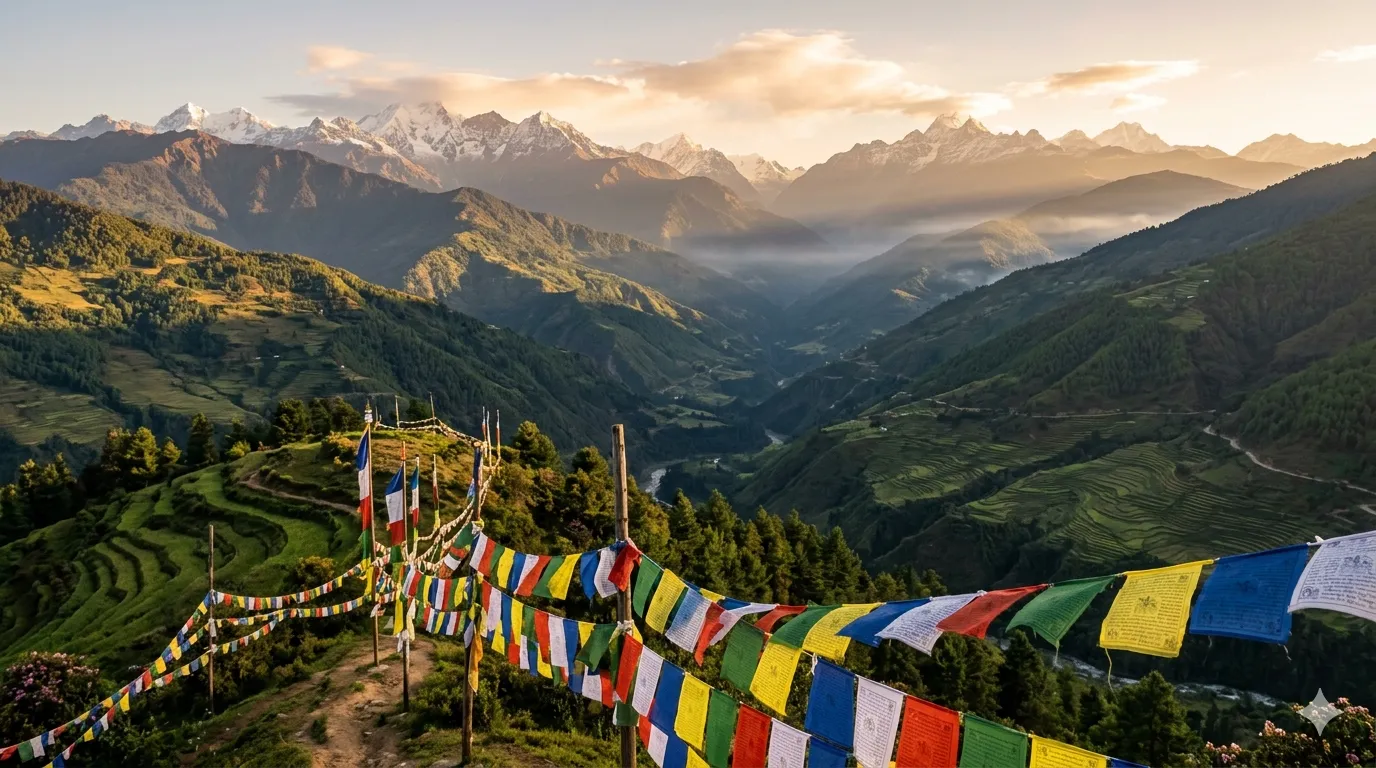
October is, for most visitors most of the time, the single best month to see Bhutan. The monsoon is fully gone, humidity is low, skies are brilliantly clear, and the high Himalayan peaks are visible every day from Paro, Dochula Pass, and the drive to Phobjikha. Valleys turn gold as rice ripens. Days are 18–20°C, nights cool but not cold.
It is also the busiest, priciest month. Every guide, every reasonable lodge, every Druk Air seat in October is booked 4–6 months ahead. If you want October 2026, start planning by April–May 2026 at the latest.
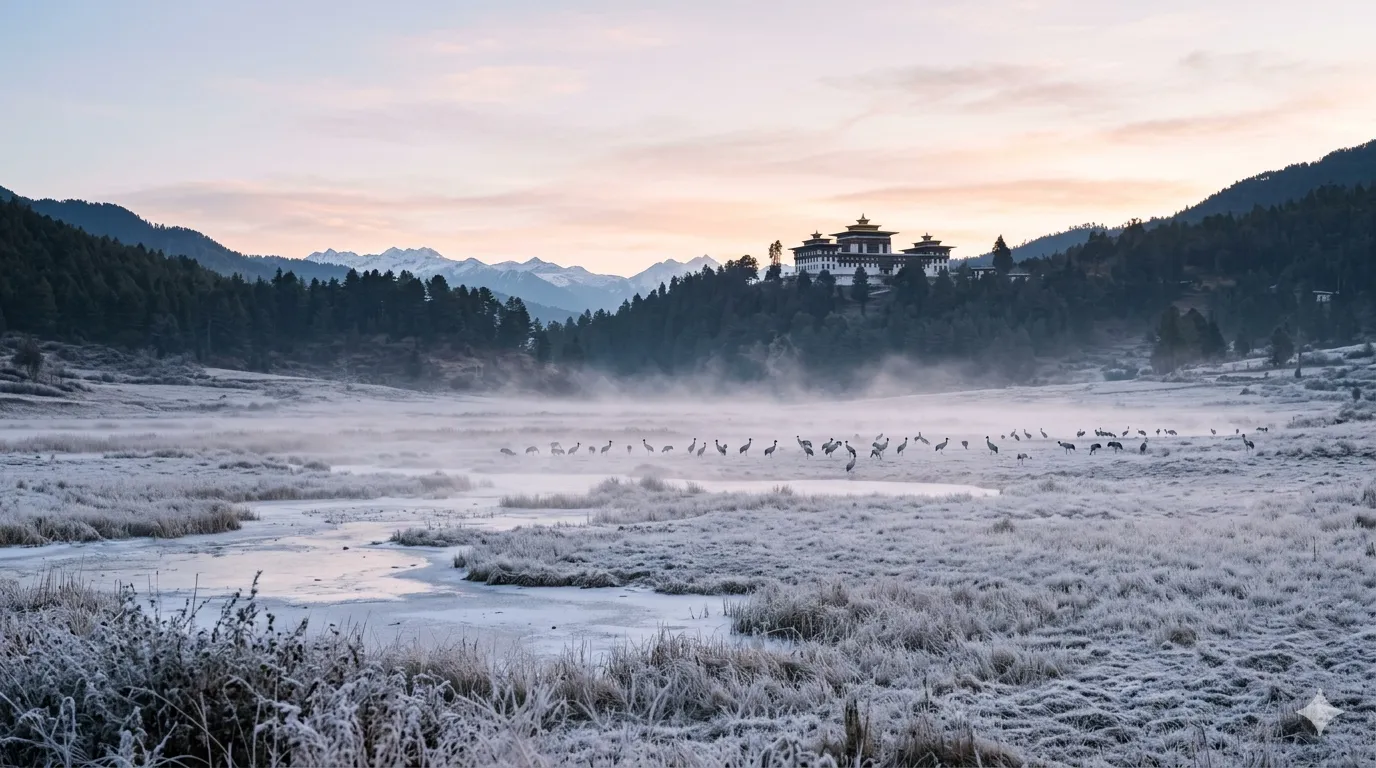
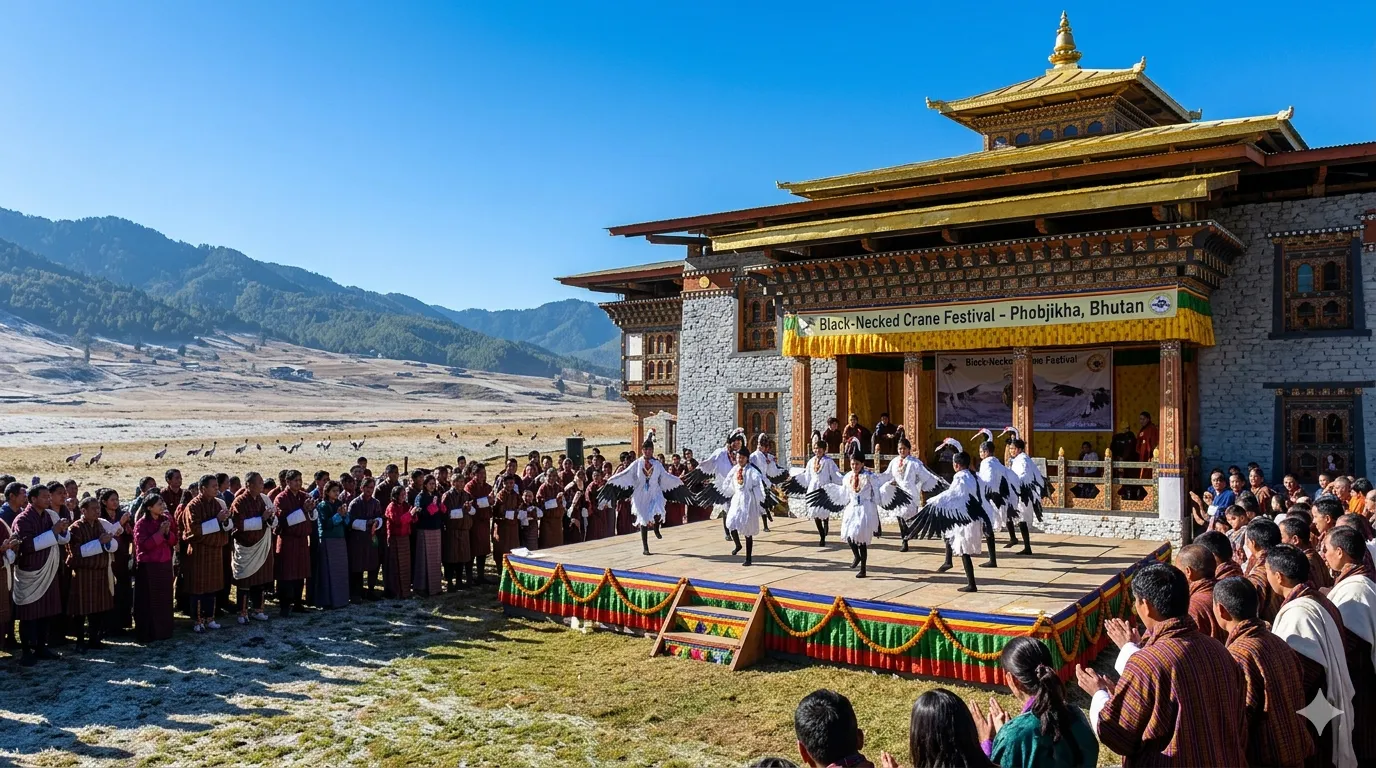
November is quietly many Bhutan experts' favourite. The weather is still dry and sunny like October, but crowds begin dropping. Views are arguably even sharper. And in Phobjikha Valley, the rare black-necked cranes begin arriving from Tibet — celebrated on November 11 each year at the Crane Festival.
Days are 17°C and sunny, nights drop to 5°C or lower. Perfect for walking, photographing, and lingering in places without pressure.
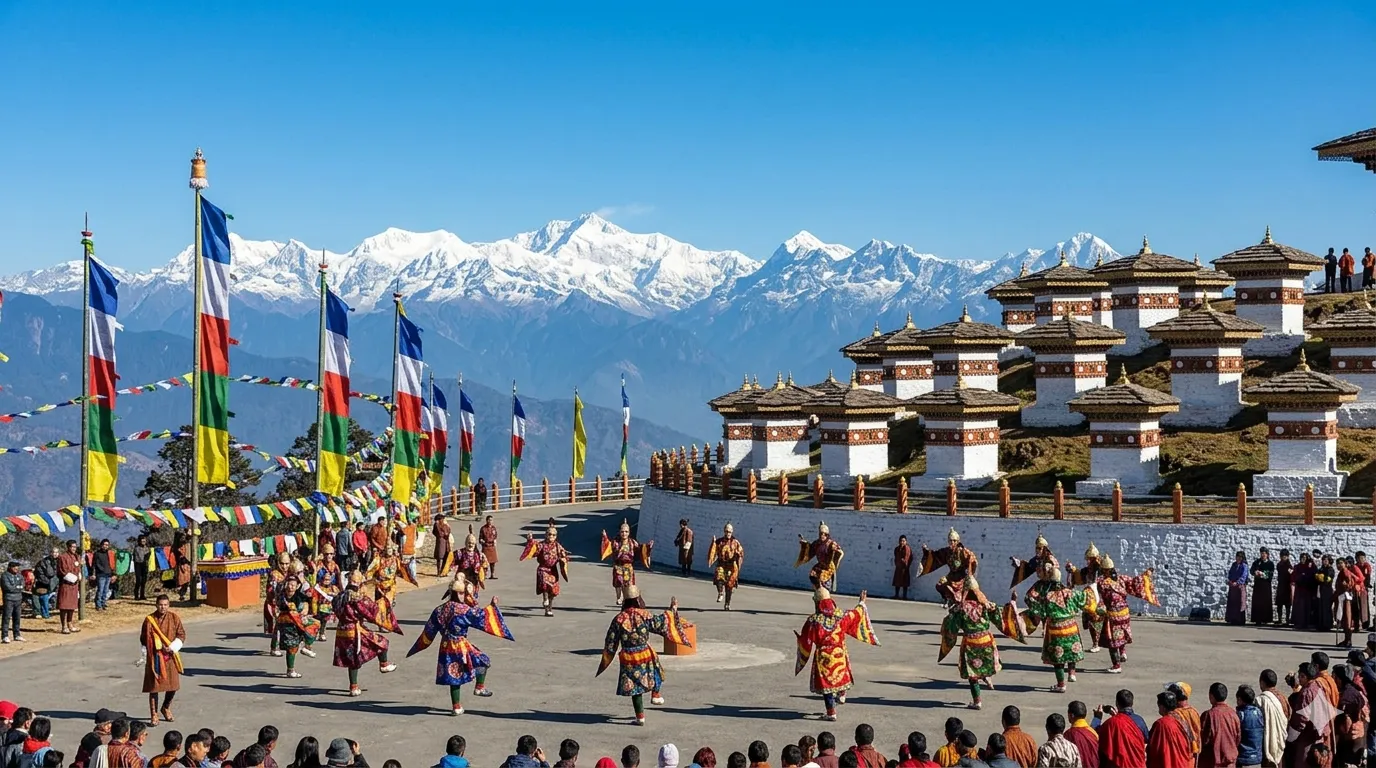
December brings winter proper. Nights dip below freezing in Paro and Thimphu, though daytime sun takes valleys into the low teens. It is strikingly quiet — monks in courtyards, white prayer flags on ridgelines, blue sky after blue sky. The Druk Wangyel festival at Dochula Pass on December 13 is one of the country's most unusual celebrations, performed by soldiers rather than monks against a 360° Himalayan backdrop.
Lower valleys like Punakha (1,300m) stay comfortably mild during the day, so a western loop in December is more pleasant than the numbers on a chart suggest. It is also the end of the low-cost window before international travelers return in February.
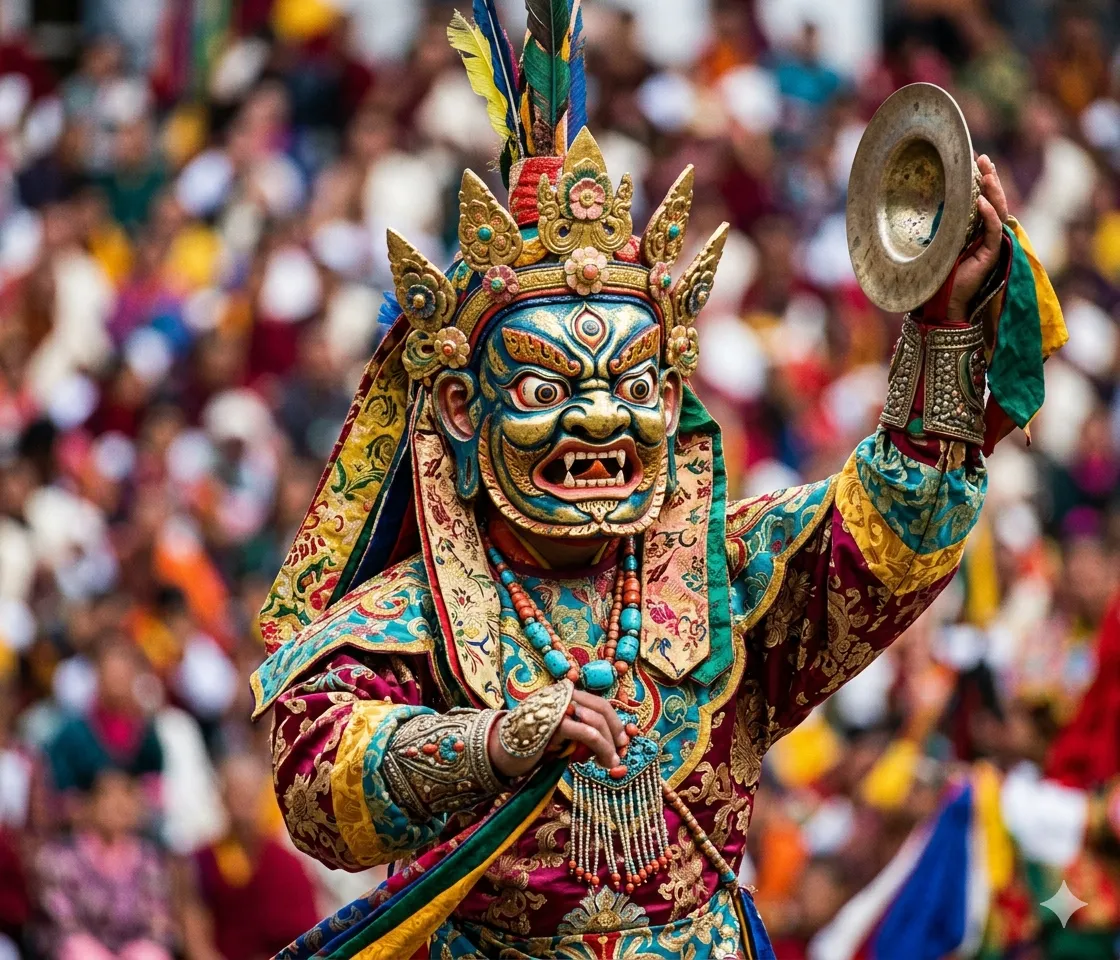
Festivals — called Tshechus — are the beating heart of Bhutanese culture. Mask dances, ancient rituals, and whole communities in their finest dress. Here are the ones worth planning around.

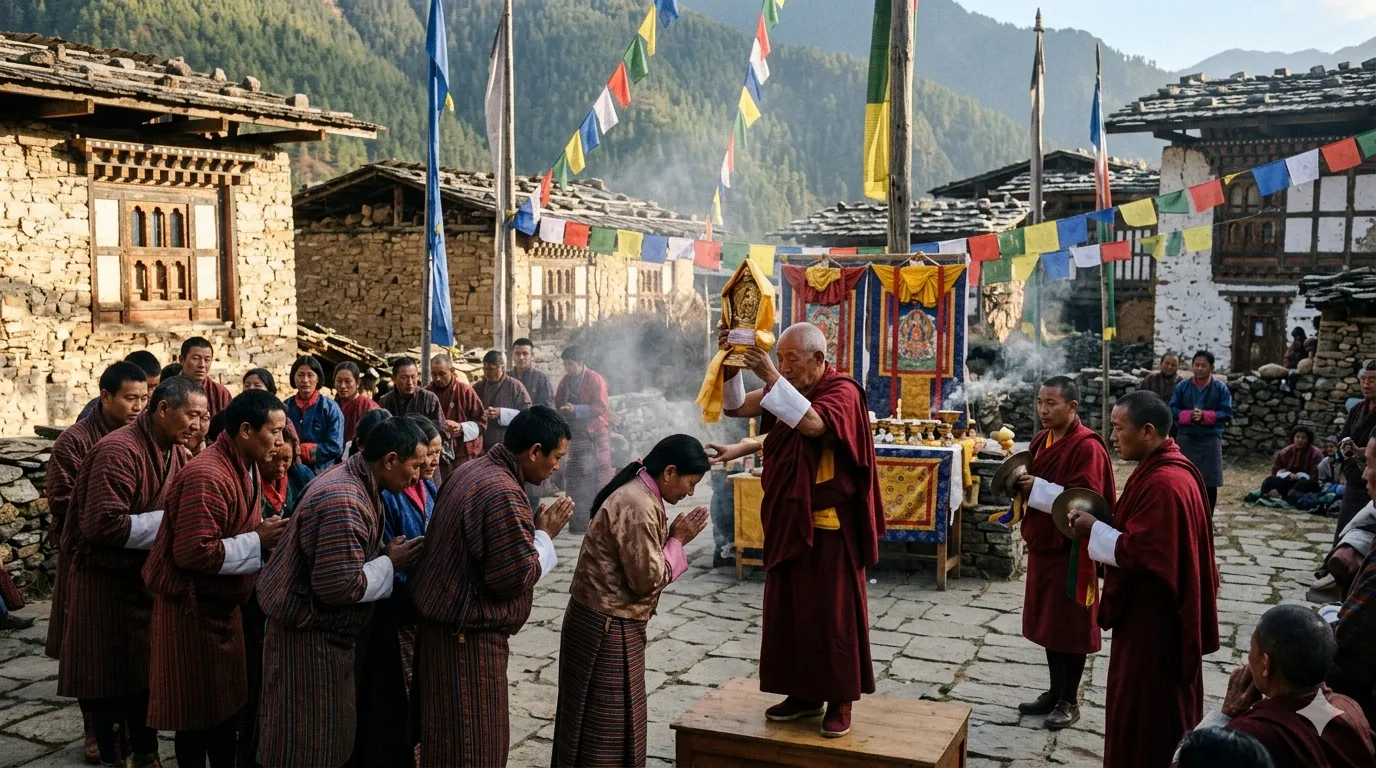
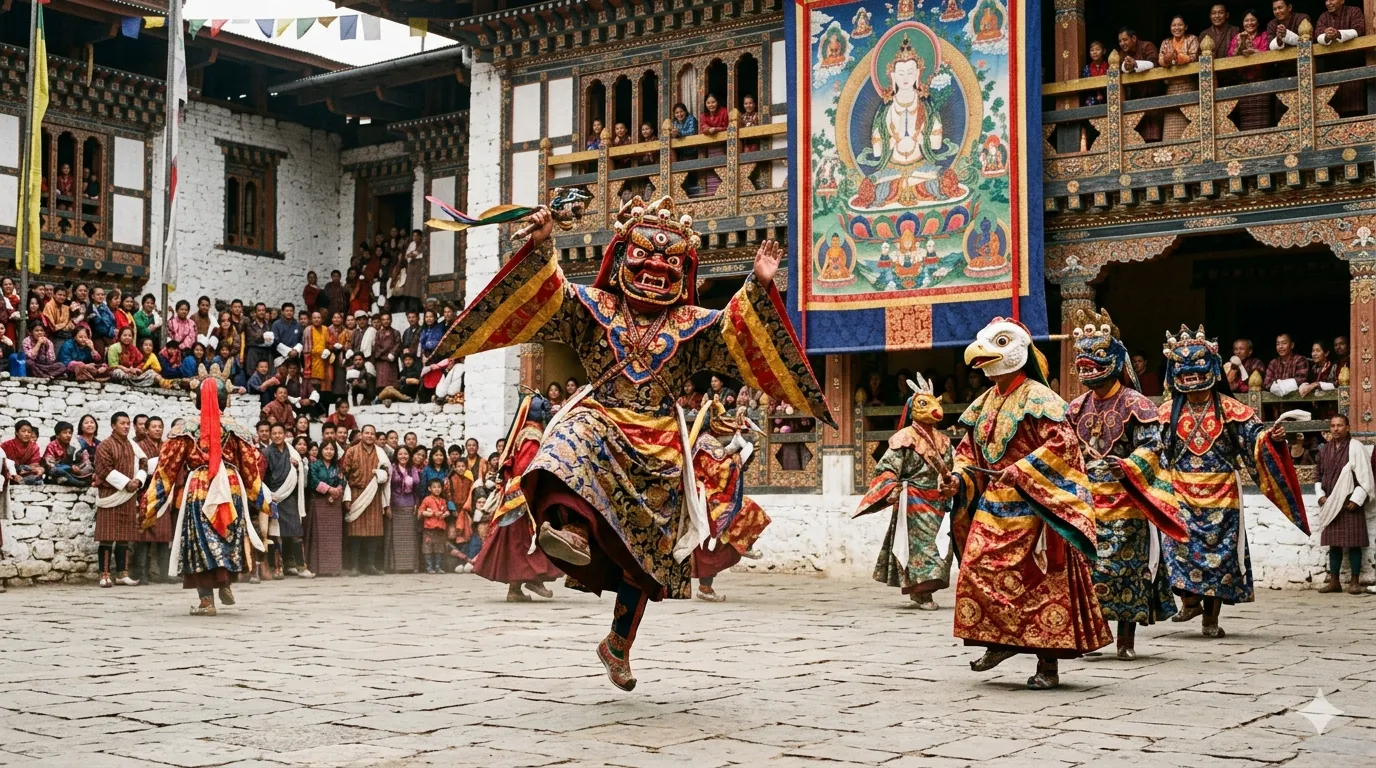
The most famous festival in Bhutan. Five days of sacred mask dances at the Rinpung Dzong, culminating in the pre-dawn unveiling of the giant Guru Thongdrel — a massive silk tapestry believed to grant blessings and cleanse karma.
The capital's great festival, held in the courtyard of the country's most important dzong. Ideal for first-timers — big scale, incredible dances, easy access, and coincides with Bhutan's clearest post-monsoon weather.

A back-to-back pair of festivals at arguably the country's most beautiful dzong, at the confluence of two rivers. The Drubchen is unique — a re-enactment of a 17th-century Tibetan invasion. Far quieter than Paro or Thimphu.

Central Bhutan's most unusual festival. Famous for the Mewang fire ceremony and the midnight Tercham — a sacred naked dance performed by masked men, one of only a few in the Himalayas.

A one-day festival held at Gangtey Monastery to welcome the rare black-necked cranes that migrate from Tibet each winter. Schoolchildren in crane costumes, environmental ceremonies, and birdwatching in Bhutan's most photogenic valley.

A small, lovely spring festival celebrating Bhutan's national flower amongst blooming hillsides. Ecological and cultural themes, local crafts, and the cleanest-aired valleys of spring. Easy day trip from Thimphu.

A rural, intimate festival deep in Bumthang. Famous for the Ura Yakchoe dance and the display of a sacred relic that pilgrims queue to receive blessings from. Best combined with central Bhutan exploration.

One of Bhutan's most unusual festivals — performed not by monks but by soldiers of the Royal Bhutan Army, at 3,100m, against a backdrop of 108 memorial chortens and the snow peaks of the eastern Himalayas.
The right month depends entirely on what you want from Bhutan. Five honest profiles.
You want the classic Bhutan experience — Tiger's Nest, Paro, Punakha, clear Himalayan views, comfortable weather, and at least a taste of a festival. October and November are your months.
You want to witness a proper Tshechu — mask dances, thangka unveilings, local crowds in their finest. Paro and Thimphu are the big two, but Punakha in February is the insider pick.
You want to do the Druk Path, Jomolhari, or a more serious high-altitude route. Passes need to be snow-free and trails dry. Spring gives you flowers, autumn gives you clarity.
You want clarity and mood. Post-monsoon September has the richest color; late October and November have the sharpest light; December adds snow-dusted peaks and empty temples. Skip anywhere from June to August.
You want Bhutan without other tourists, and you want to pay as little as possible. Monsoon and deep winter both deliver — lower rates, empty temples, and guides who have time to genuinely linger with you.
You want Bhutan at its most romantic — mist-wreathed mornings at Tiger's Nest, private dzong visits, a hot stone bath after a walk. Stable weather matters here. Stick with peak or shoulder months for reliability.
There are trips better suited to certain months, certainly. But we have sent travelers in every single month of the year, and almost every one of them comes back saying Bhutan surprised them more than any place they have been.
What matters more than the month is the itinerary that matches the month. A July trip that tries to trek Jomolhari will disappoint. A July trip built around rural monasteries, hot stone baths, and rice-terrace photography will be unforgettable.
That is our job. Tell us when you can travel — we will tell you what trip that month makes possible.
July is the wettest, with Thimphu averaging around 370 mm of rainfall across the month — about 60% of the country's annual rain falls between June and September. August is second. Rain tends to fall in the afternoons and evenings rather than all day, so travel remains possible, just less predictable.
Yes, but selectively. Paro and Thimphu get occasional snowfall in January and February, usually light and short-lived. High passes (above 3,000m) and trekking routes see regular snow through winter. Punakha, at only 1,300m, almost never sees snow. The Tiger's Nest trail can occasionally be snowy in deep winter — we let clients know if that is the case.
For Paro Tshechu (late March/early April) and Thimphu Tshechu (late September), book a minimum of 4 months ahead — ideally 6. Hotels, Druk Air flights, and guides all fill up early. For smaller festivals like Punakha Tshechu in February or the Black-Necked Crane Festival in November, 2–3 months is usually enough.
Less bad than most people think. Bhutan's monsoon is much gentler than India's, particularly in the western valleys where most trips take place. You will see rain every day, usually in the afternoon, but mornings are often clear. The green is extraordinary, hotels are cheap, and trails are empty. The genuine downside is that high-altitude treks close and some eastern roads can be briefly disrupted by landslides.
No. Mountain views are reliably clear from October through February and again from late March through May. In the monsoon (June–August) and the transition weeks of early September, peaks are often covered in cloud. If seeing the high Himalayas is a priority, target October, November, or late March/April.
July is statistically the cheapest — lowest hotel rates, easiest flight availability, fewest other visitors. June and August follow closely. January is also inexpensive and has the advantage of clear weather, just very cold. The Sustainable Development Fee (SDF) remains the same year-round, but hotel, guide, and internal transport costs all vary with demand.
Layers, always. Even in peak summer, evenings at altitude are cool. For October–March, add thermals, a warm jacket, and a hat. For monsoon, a good rain shell and quick-dry clothing. Sturdy shoes for the Tiger's Nest trail (not trainers). Modest clothing is appreciated when visiting dzongs and monasteries — long trousers and shoulders covered.
Tell us when you can travel and what kind of Bhutan trip you're dreaming of. We'll come back within 24 hours with a handful of honest options, real prices, and the itinerary that matches the season.